< lang="en">
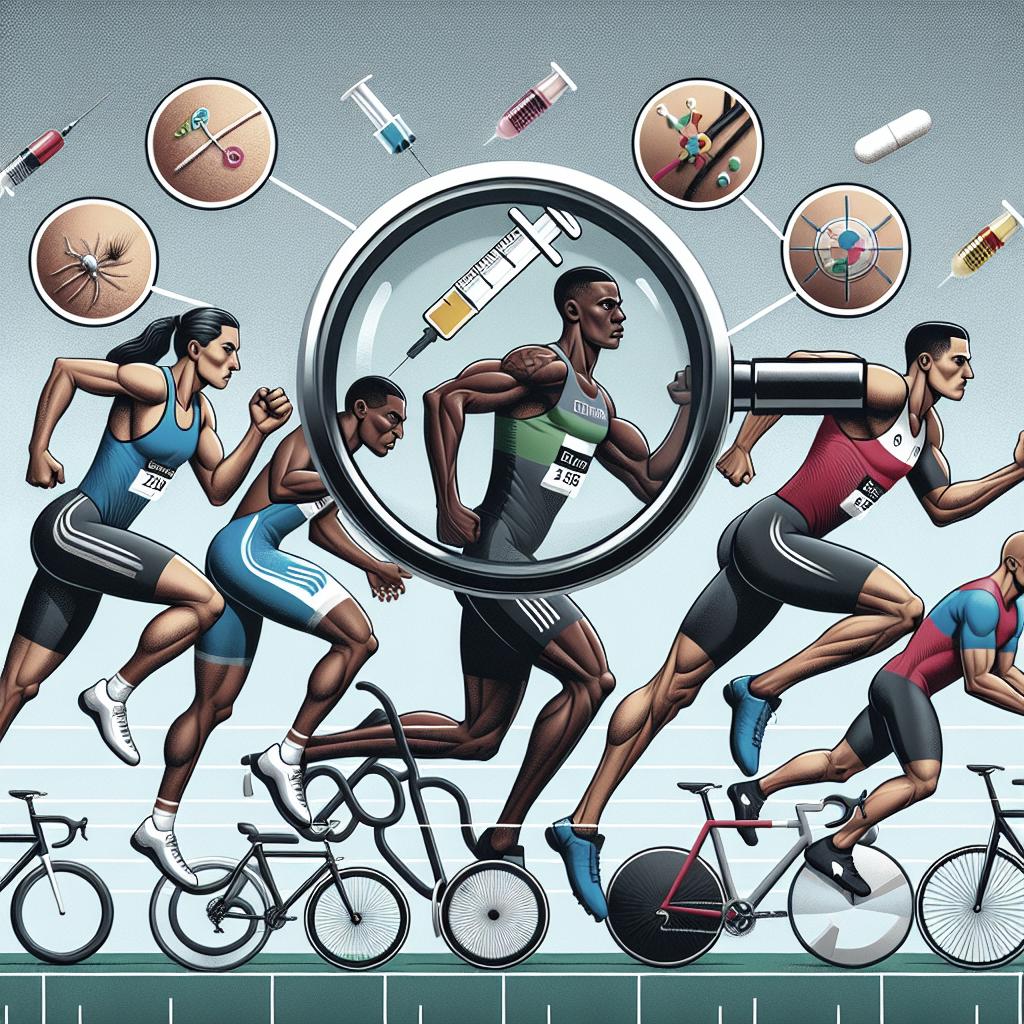
Doping in sports has been a concern for decades, undermining the spirit of fair competition and jeopardizing the health of athletes. This article explores the various substances athletes abuse, the reasons behind their use, and the extent of drug abuse and alcoholism statistics in sports. It also delves into rehabilitation programs designed to help athletes recover from addiction and return to their professional and personal lives. By understanding the challenges and solutions surrounding doping, stakeholders can better support athletes in their journey to recovery.
Drug Abuse In Sports: What Other Drugs Do Athletes Abuse?
Performance Enhancing Drugs
Performance enhancing drugs (PEDs) are substances used by athletes to improve their performance. These can include anabolic steroids, stimulants, hormone and metabolic modulators, and diuretics. PEDs can significantly enhance an athlete’s strength, endurance, and recovery time, providing an unfair advantage in competitive sports.
The unethical use of PEDs can lead to severe health issues, such as heart problems, liver damage, and psychological effects. When athletes are caught doping, they face not only legal and professional repercussions but also the challenge of overcoming potential dependencies on these substances.
Anabolic Steroids
Anabolic steroids are synthetic substances similar to the male sex hormone testosterone. They promote muscle growth and increase strength but come with dangerous side effects. These can include liver damage, altered mood and behavior, and cardiovascular issues.
In addition to physical health risks, the use of anabolic steroids can lead to psychological dependence. Athletes may feel pressured to maintain an enhanced physique and performance level, making it difficult to quit without professional help.
Androstenedione
Androstenedione is a hormone produced in the adrenal glands, ovaries, and testes. It is a direct precursor to both testosterone and estrogen. Some athletes use supplements containing this hormone, hoping to boost their testosterone levels and improve performance.
However, the use of androstenedione can disrupt the body’s natural hormone balance, leading to side effects such as hair loss, changes in libido, and an increased risk of heart disease. Over time, dependency on these supplements can develop, requiring targeted rehabilitation efforts.
Human Growth Hormone
Human growth hormone (HGH) is naturally produced by the pituitary gland and is crucial for growth, cell repair, and metabolism. Some athletes misuse synthetic HGH to enhance muscle mass, strength, and recovery times.
Misuse of HGH can lead to several health problems, including joint pain, muscle weakness, and an increased risk of diabetes and heart disease. Rehabilitation for HGH abuse often involves medical supervision and psychological support to address both physical and mental dependencies.
Diuretics
Diuretics, often referred to as “water pills,” help the body eliminate excess water, often used by athletes to achieve rapid weight loss or to mask the presence of other drugs in their system. While they may offer short-term benefits, the long-term health risks are significant.
Abuse of diuretics can lead to dehydration, electrolyte imbalance, and kidney damage. Athletes using these substances need comprehensive rehabilitation programs that include medical monitoring and nutritional counseling to restore health and prevent relapse.
Erythropoietin
Erythropoietin (EPO) is a hormone that promotes red blood cell production, enhancing oxygen delivery to muscles, thereby improving endurance. Its misuse is particularly prevalent in endurance sports like cycling and long-distance running.
However, the misuse of EPO can increase the risk of blood clots, stroke, and heart attack. Recovery from EPO abuse often necessitates medical treatment to manage health risks and psychological support to address the reasons behind the doping behavior.
Painkillers And Prescription Drugs
Prescription painkillers, including opioids, are sometimes abused by athletes to manage pain from injuries or intense training, risking addiction. These drugs can offer temporary relief but carry high risks of dependency and overdose.
Rehabilitation for opioid abuse involves medical detoxification, pain management strategies, and psychological therapies. Athletes are provided with alternative pain relief methods to ensure a safe return to their sport without dependency on harmful substances.
Stimulants
Stimulants like amphetamines and cocaine can boost energy levels, alertness, and focus. Athletes may misuse these drugs to stay competitive, particularly in high-pressure sports environments.
The use of stimulants can lead to severe cardiovascular issues, mental health problems, and addiction. Rehabilitation programs for stimulant abuse use a combination of medical and psychological therapies to manage withdrawal symptoms and address underlying issues.
Other Commonly Abused Substances
Apart from the widely known substances, athletes may also misuse other drugs such as sedatives, marijuana, and recreational drugs. Each of these substances carries its own health risks and can impact athletic performance and personal well-being.
Comprehensive rehabilitation programs identify and treat all substances the athlete is abusing. A holistic approach ensures that both the physical and mental aspects of addiction are addressed for a successful and sustained recovery.
Why Do Athletes Use Drugs?
The reasons behind drug use in sports are complex and varied. For many athletes, the pressure to perform at peak levels, from coaches, sponsors, and fans, can be overwhelming. This pressure may lead them to seek out drugs that promise enhanced performance and recovery.
In addition to performance pressure, the need for quick recovery from injuries and the desire to gain a competitive edge can drive athletes towards substance abuse. The culture within some sports communities may also normalize or even encourage drug use, making it harder for athletes to resist.
Drug Abuse And Alcohol Use Statistics
Statistics reveal the widespread nature of substance abuse in sports. Studies indicate that about 20% to 30% of elite athletes use performance-enhancing drugs in their careers. The prevalence is even higher in professional and competitive recreational settings.
Alcohol abuse is also common, with some studies suggesting that 50% to 75% of athletes engage in binge drinking. The connection between high-stress environments and substance abuse highlights the need for targeted intervention and support systems.
Addiction Treatment For Athletes
Successful rehabilitation programs for athletes require a multidisciplinary approach. Medical treatment is often necessary to address withdrawal symptoms and any underlying health conditions caused by substance abuse. Nutrition and physical therapy play vital roles in restoring the athlete’s physical health.
Psychological support is crucial, including counseling and behavioral therapies to help athletes understand and overcome their motivations for drug use. Support groups and peer counseling can also offer encouragement and a sense of community during recovery.
Customized treatment plans that integrate these elements can help athletes not only overcome addiction but also return to their sports with renewed health and determination. By addressing both the physical and psychological aspects of substance abuse, these programs pave the way for sustainable recovery and long-term success.
Lessons Learned
| Category | Description | Associated Risks | Treatment Approaches |
|---|---|---|---|
| Performance Enhancing Drugs | Substances like steroids and HGH used to boost performance. | Health issues, psychological dependency. | Medical treatment, psychological support. |
| Anabolic Steroids | Synthetic testosterone used for muscle growth. | Liver damage, cardiovascular problems, altered behavior. | Medical detox, counseling. |
| Androstenedione | Steroid precursor intended to increase testosterone. | Hormone imbalance, risk of heart disease. | Hormonal therapy, psychological support. |
| Human Growth Hormone | Synthetic HGH to enhance muscle mass and recovery time. | Joint pain, diabetes risk, heart problems. | Medical monitoring, counseling. |
| Diuretics | Used for rapid weight loss and masking other drugs. | Dehydration, kidney damage. | Medical supervision, nutritional counseling. |
| Erythropoietin | Hormone that increases red blood cell production. | Blood clots, stroke, heart attack. | Medical treatment, psychological support. |
| Painkillers and Prescription Drugs | Pain relief, often leading to dependency. | Addiction, overdose risk. | Detoxification, pain management strategies. |
| Stimulants | Boost energy and focus. | Cardiovascular issues, mental health problems. | Medical and psychological therapies. |
| Other Substances | Sedatives, marijuana, recreational drugs. | Varied health risks, performance impact. | Holistic rehabilitation programs. |